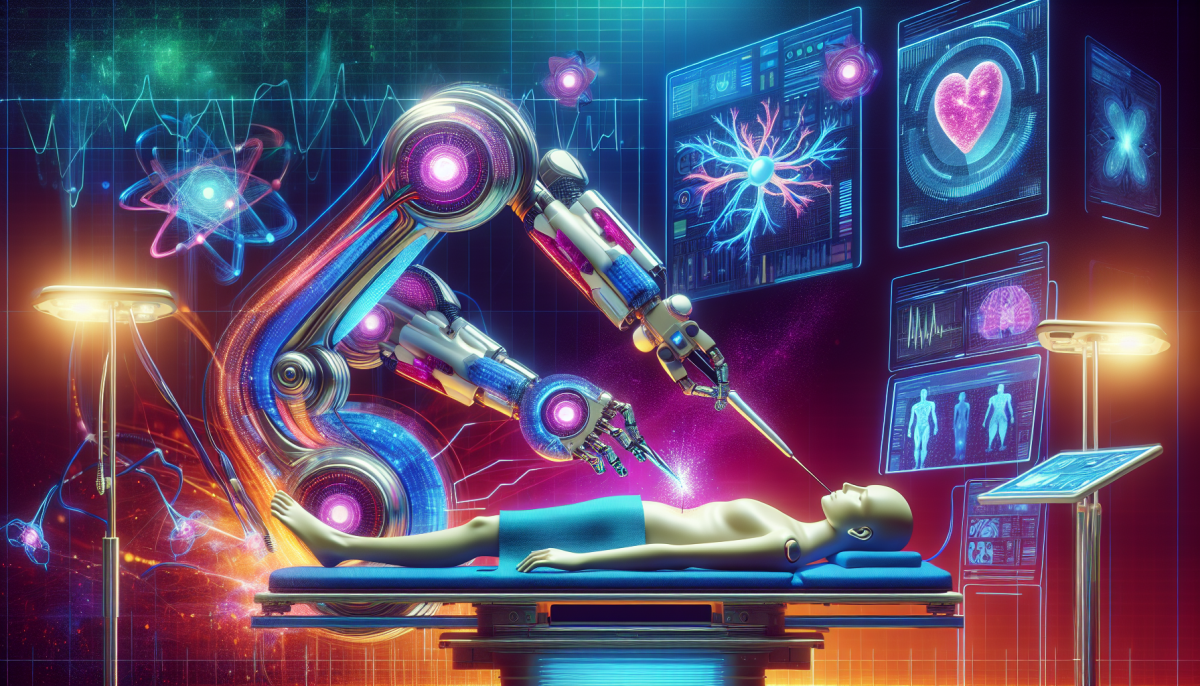
AI is shaking things up in the healthcare world, and the changes are pretty exciting. Imagine walking into a clinic where your medical records are instantly available, and a smart system is already scanning for any potential health issues. That’s the power of AI at work, making patient care smoother and more efficient.
One huge benefit of AI is its ability to analyze mountains of data in a flash. Doctors can use AI tools to read imaging tests like X-rays or MRIs quickly and accurately. These tools can spot things that a human might miss, which means earlier diagnoses and better outcomes for patients. It’s like having a super-smart assistant that helps healthcare professionals make informed decisions.
AI is also enhancing personalized medicine. By analyzing your unique genetic makeup and health history, these smart systems can help create treatment plans tailored just for you. This means fewer trial-and-error treatments and more effective solutions right from the start, giving you the care you deserve.
And let's not forget about increased access to care. Telehealth has taken off, and AI is making virtual visits even better. With chatbots and AI-driven platforms, patients can get answers to their questions anytime, helping them feel more supported and involved in their healthcare journey. It’s a game changer for those who may not have easy access to a doctor.
The Role of AI in Diagnostics
AI is really changing the game in healthcare, especially when it comes to diagnostics. Imagine a software that can analyze medical images in seconds, spotting issues that even the most trained eye might miss. This technology isn’t just about speed; it's about accuracy too. With AI, doctors can get fast and reliable results, helping them make better decisions for their patients.
One area where AI shines is in identifying diseases. Take radiology, for instance. AI algorithms can process X-rays and MRIs in a fraction of the time it takes a human radiologist. They’ve been trained on thousands of images and can recognize patterns that indicate conditions like tumors or fractures. This means quicker diagnoses and more time for doctors to spend with their patients.
Beyond imaging, AI also works with data analysis. Healthcare providers are sitting on mountains of data, from patient records to lab results. AI tools can sift through this information, identifying trends and predicting outcomes. For instance, they can highlight patients at risk for certain conditions, allowing for early intervention—something that can save lives.
And let’s not forget about telehealth. AI-powered chatbots can help screen patients, guiding them to the right care based on their symptoms. This means individuals can get quick feedback without needing to visit a hospital or clinic straight away. It’s all about making healthcare more accessible and efficient.
Improving Treatment Plans with AI
AI is making a real splash in the healthcare world, especially when it comes to treatment plans. Imagine having a tool that sifts through tons of patient data and offers personalized recommendations. That’s exactly what AI can do. It looks at factors like medical history, lifestyle choices, and even genetic information to help doctors create tailor-made treatment strategies for each individual.
One of the coolest things about AI is its ability to help doctors spot patterns. For instance, if a patient has a particular set of symptoms, AI can quickly analyze data from similar cases and suggest the best treatment options. This not only saves time but also helps in identifying the right course of action much faster than traditional methods.
AI can also play a vital role in monitoring patient progress. Through smart wearables and apps, doctors can keep track of how a treatment is working in real-time. If something isn't going right, adjustments can be made on the fly, ensuring that the patient gets the best care possible. This proactive approach leads to better outcomes and increased patient satisfaction.
Another big bonus is that AI can help reduce the chances of human error. By providing detailed analyses and recommendations, it acts as an extra set of eyes for healthcare professionals. This blend of technology and human expertise not only produces safer treatment plans but also fosters a more collaborative relationship between patients and their healthcare teams.
AI's Impact on Healthcare Costs
Artificial Intelligence (AI) is making waves in the healthcare sector, and one of the biggest areas where it's having an impact is in reducing costs. When we think about healthcare expenses, many of us picture soaring hospital bills or expensive treatments. But with AI stepping in, there’s a real chance to lower these costs dramatically.
First off, AI helps in streamlining administrative tasks. Hospitals and clinics often face a mountain of paperwork that can eat up time and resources. By using AI to automate processes like scheduling, billing, and managing patient records, healthcare providers can focus on what truly matters—patient care. Less time spent on admin means more money saved!
Then, there’s the role of AI in diagnostics. Traditional diagnostic methods can be time-consuming and costly. AI systems analyze medical data quickly, flagging potential health issues before they balloon into major problems. Early detection often leads to simpler and cheaper treatments, saving patients and insurers a lot of money down the line.
Don’t forget about personalized medicine. AI tools can analyze a patient’s unique health data to tailor treatments specifically for them. This means fewer trial-and-error approaches that can lead to ineffective and expensive options, making healthcare both more effective and less costly.
Lastly, AI is a game-changer in managing chronic diseases. With smart monitoring and proactive care suggestions, patients can stay healthier at home, reducing hospital visits and emergency care expenses. This not only improves the patient’s quality of life but also takes a huge financial burden off the entire healthcare system.